


Installing a fire alarm system properly is just as important as buying the right equipment. One of the most essential steps in the installation process is learning how to mount the detectors and other devices correctly. Whether you’re setting up smoke detectors, heat detectors, or motion sensors, their position and placement directly affect how well the system works. Proper mounting ensures that every corner of your home, office, or building is covered and that the alarm can detect smoke or heat as early as possible.
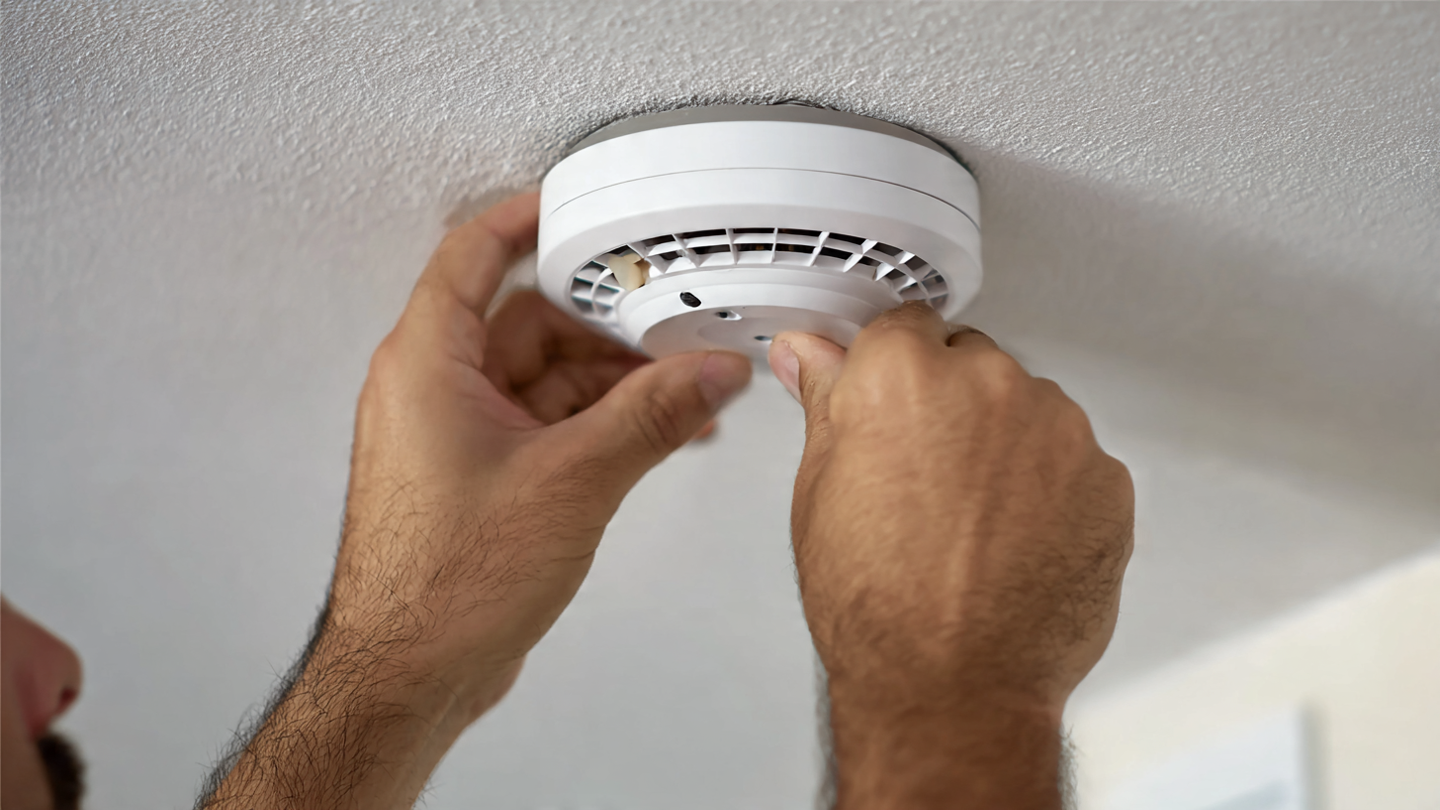
The first rule in mounting detectors is to place smoke detectors on the ceiling, since smoke naturally rises. Ideally, each detector should be installed in the center of the ceiling, at least 30 centimeters (one foot) away from walls or light fixtures. If ceiling installation is not possible, you can mount the detector high on a wall — but never closer than 10 to 15 centimeters from the ceiling line. This ensures smoke can easily reach the sensor. For homes in Pakistan, it’s recommended to install smoke detectors in every bedroom, hallway, and living area, as well as near the kitchen (but not directly above the stove to avoid false alarms).
For heat detectors, which respond to rising temperatures instead of smoke, placement depends on the area of use. They are best installed in kitchens, garages, or areas where dust or steam might affect a smoke alarm. Mount heat detectors on the ceiling where hot air and heat accumulate first. Make sure they are not installed too close to vents, fans, or windows, as moving air can prevent them from detecting temperature changes properly.
When mounting other devices such as manual call points, sirens, or alarm panels, placement must follow practical accessibility rules. Manual call points (fire alarm buttons) should be installed at eye level — usually about 1.4 meters from the floor — near exits or in hallways, so people can easily trigger them in an emergency. Sirens or sounders should be placed high on walls or ceilings, where their sound can spread evenly across the area. In large or multi-room buildings, multiple sirens may be required to ensure everyone can hear the alarm clearly. The control panel should be installed near the main entrance or security room, where authorized personnel can monitor and reset the system.
For wireless or smart alarm systems, the process is even simpler. Most modern devices come with mounting brackets, adhesive pads, or screw kits. You just need to stick or screw the detector onto a clean, dry surface. Make sure to test the connection between devices after mounting — if any sensor is out of range or not syncing with the main control panel, move it slightly closer until it connects properly. For battery-operated detectors, always install them with the battery compartment facing outward for easy access during maintenance or replacement.
In buildings with hard-wired fire alarm systems, mounting requires professional help. Electricians or certified fire safety technicians must ensure that all detectors, sirens, and panels are correctly connected to the power supply and communication circuits. Each wire should be neatly secured and properly insulated to prevent short circuits. It’s also important to label the wiring or use color codes for easier troubleshooting in the future. After installation, the technician performs a full system test to confirm that all detectors activate correctly and trigger alarms simultaneously when smoke or heat is detected.
Another key factor during installation is height and spacing. The National Fire Protection Association (NFPA) recommends that smoke detectors be spaced about 9 meters apart in open areas. In hallways or rooms with obstacles like beams or partitions, more detectors may be needed. For multi-floor buildings, place detectors at the top of each staircase and in every corridor. Avoid installing detectors near ceiling fans, air conditioners, or windows, as these can interfere with the proper flow of smoke.
Once all detectors and devices are mounted, perform a system test. Press the test button on each smoke detector to confirm it triggers both locally and across all interconnected devices. Check that sirens sound clearly in every room and that the control panel displays the correct zone or location of activation. This final step ensures your fire alarm system is fully functional and ready to protect your property.
In conclusion, knowing how to mount detectors and other devices correctly is crucial for any fire alarm installation. Proper placement on ceilings or high walls ensures early detection of smoke or heat, while correct positioning of sirens, call points, and panels guarantees that alerts reach everyone instantly. Whether you’re installing a simple home system or a large commercial setup in Pakistan, careful mounting, accurate spacing, and regular testing will ensure your fire alarm system works effectively when it matters most. Investing a little time and care during installation can save lives, property, and peace of mind for years to come.